
We’ve heard of looksmaxxing, fibermaxxing, proteinmaxxing, and personalitymaxxing, but coming across a YouTube video on frictionmaxxing (WHYY, 2026) resonated with me in a way the viral versions of “maxxing” haven’t. The idea is that we’ve become so dependent on our devices and software to make everything we do more efficient that we sometimes lose the human element of ordinary things. More efficient doesn’t necessarily mean more pleasurable, and sometimes the friction, the physical and mental effort required to do something, is what makes it worthwhile.
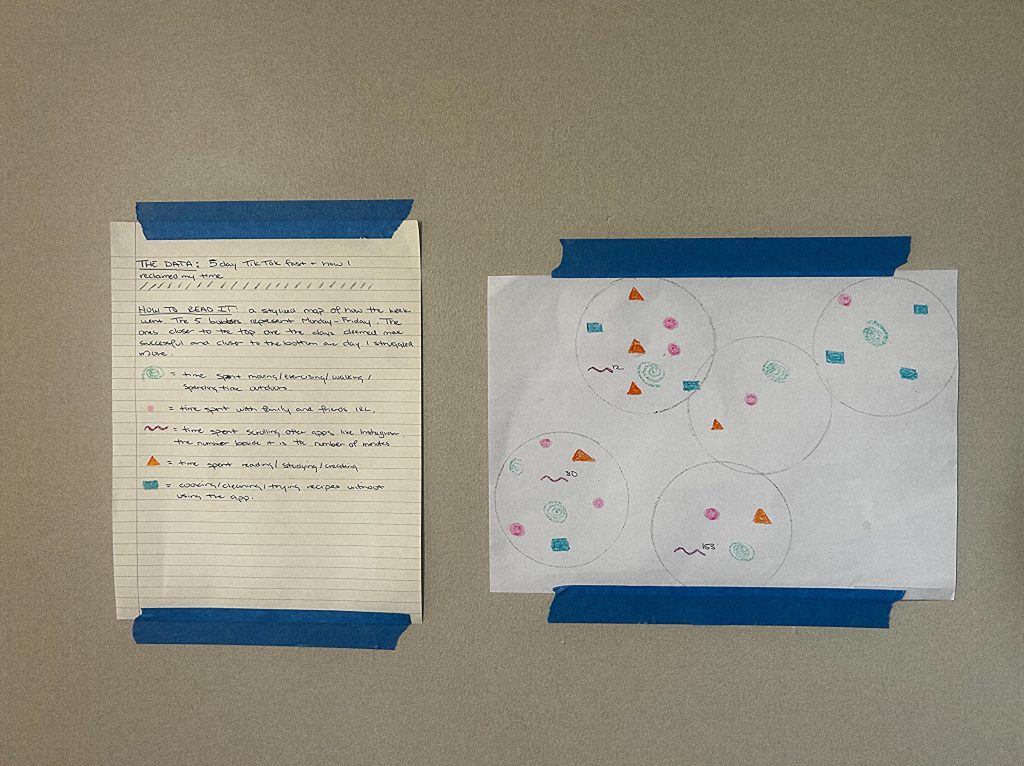
So when the opportunity to track and collect data for my 5-day TikTok fast came up, I chose the path of more friction: analog data visualization.
Before the fast, I’d say that I typically get on TikTok to find new recipes. But most of the time, I close the app feeling remorseful about how much time I’ve given away, carried along by the algorithm and all of its temptations. The unconventional but genius hack I’d never think of, the parenting tips, the viral dances, and all the new and exciting date-night spots in my area seem to demand my attention one right after another.
Five days certainly isn’t enough time to break a habit, but it did create enough distance for me to notice more and become more intentional about how I spend my time.
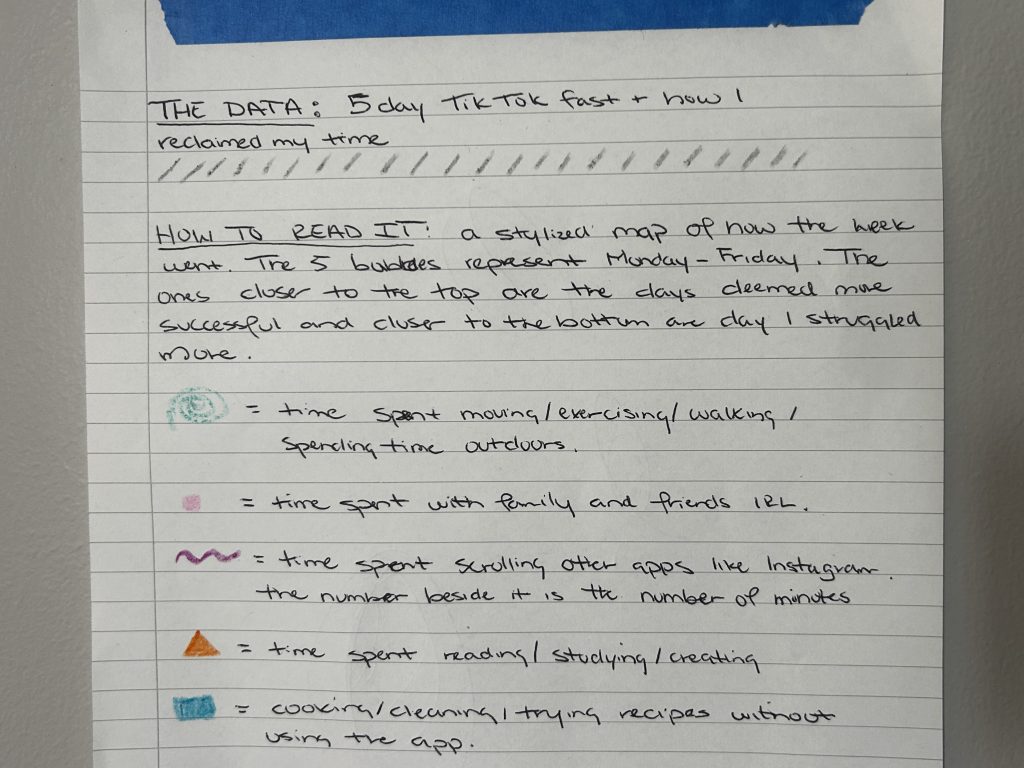
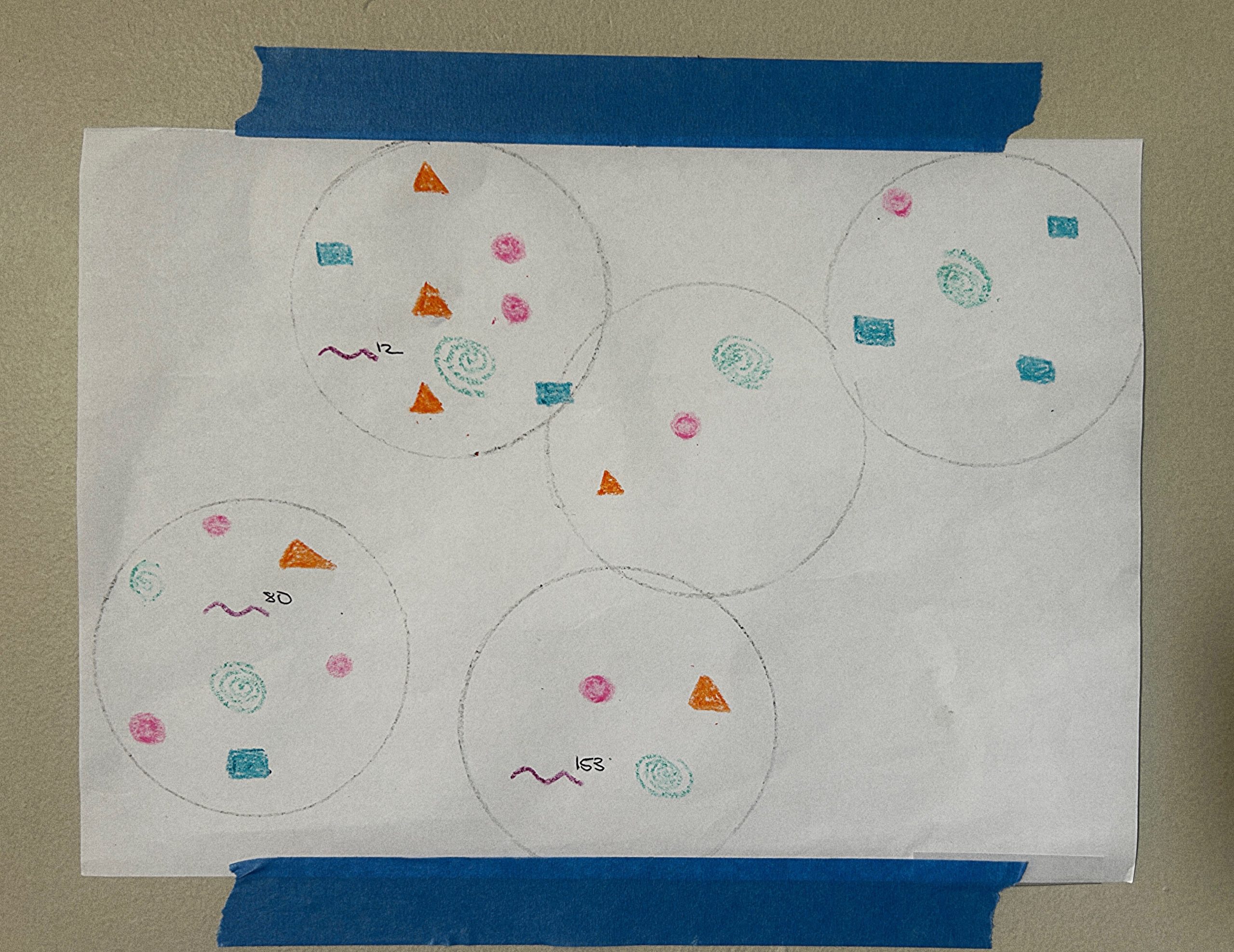
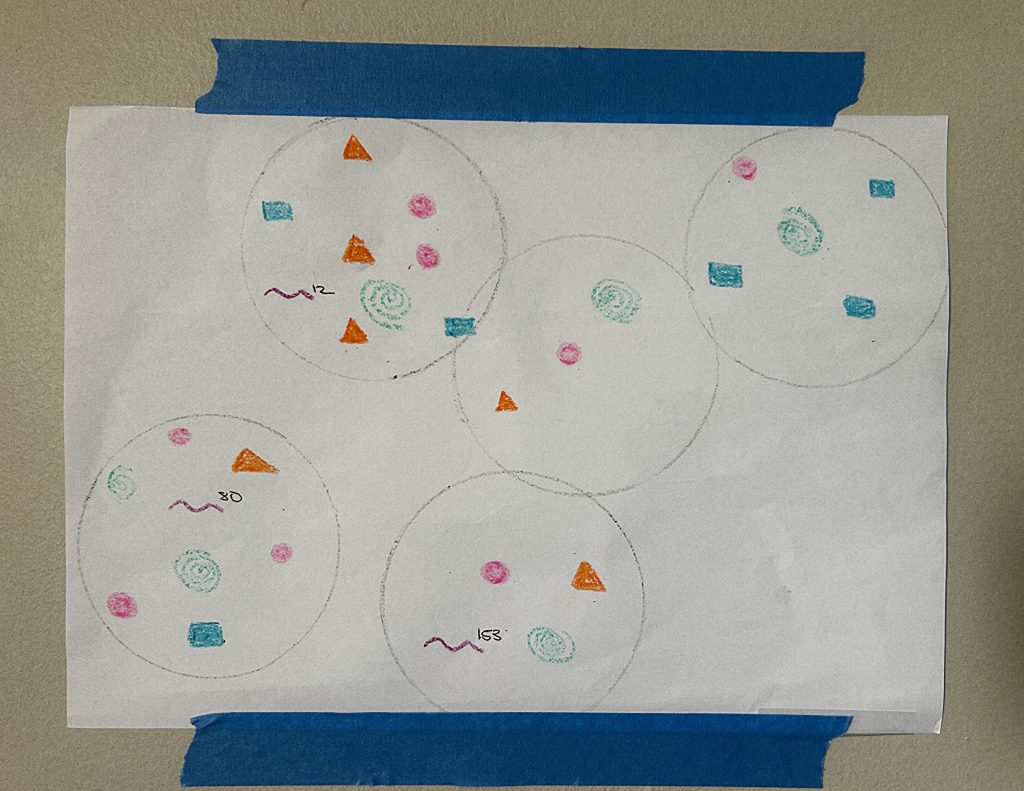
I created a map of how I spent my time from Monday to Friday, along with a key for deciphering it, inspired by the Dear Data Project (Lupi & Posavec, n.d.). What I didn’t track on the map was the realization that I get on TikTok (or social media in general) primarily because I’m either curious or bored. I just use recipes as my reason to get on the app.
To prepare for the fast, I hid TikTok from my home screen, which also halted the notifications. There were a few times throughout the week when I’d hover over where the app used to be before realizing it was now an invisible icon in my hidden apps folder. This typically happened during those in-between moments: waiting for a meal to finish cooking, charging the electric car, riding in the passenger seat, or at the end of the day before bed.
When the temptation came, I either found another activity to occupy my time productively or… I scrolled Instagram instead.
Don’t judge me!
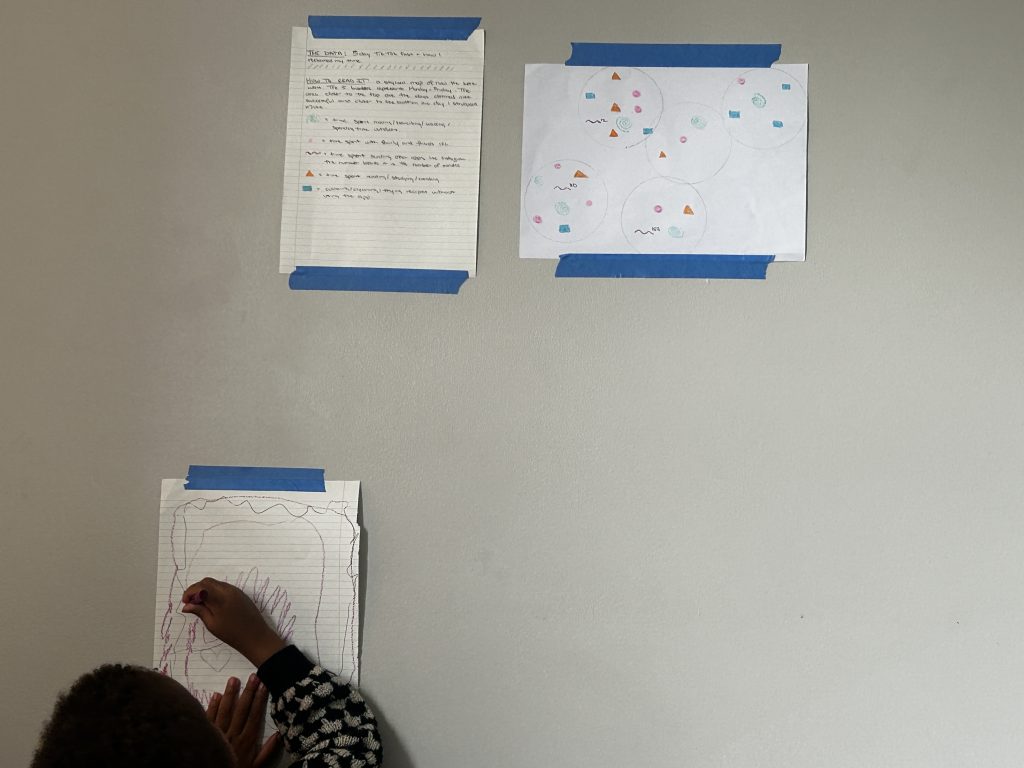
I redeemed myself after becoming fed up with succumbing to yet another algorithm and avoided all social media for the final two days. If you look at my map, you’ll see how I spent my time throughout the week. Each symbol appears as many times as I spent time doing that activity throughout the day.
Overall, I’d say I really struggled only on Monday and Tuesday. By Wednesday, I was on a road trip and mostly wanted something to pass the time, so I mindlessly scrolled Instagram when it got too dark to read. By Thursday and Friday, I had gotten into the rhythm of things, and the urge to scroll felt much less automatic. My map isn’t really a highlight of how little TikTok is used but more about what I did with its absence. It’s more about how much I participated in the things that mean most to me. Maybe that’s the whole point of frictionmaxxing: the inconvenience of hand to paper isn’t what gets in our way. Sometimes it’s the thing to illuminate what needs it.
References
Lupi, G., & Posavec, S. (n.d.). Dear Data. Dear Data Website
WHYY. (2026, Jan 15th). Friction-maxxing: the case against convenience [Video]. YouTube. https://www.youtube.com/watch?v=2bsW4fIc3uo&t=15s