

Something to listen to while you read: Void Inside- Phelian
We drove an electric car down from the Northeast to Alabama for a wedding this weekend. I highly would not recommend an electric over a gas car for road trips unless you have time freedom. For every two hours we drove, we’d have to stop for 45 minutes to recharge. For the late night hours, we took naps during charging hour and for the day time stops, we took in the scenery. The spaciousness that accompanies a long drive can often become a canvas for exploring ideas. This is where I began questioning how much art imitates life and life imitates art; specifically in the realm of design fiction. Even more specifically, in regards to the makings of the charger socket for the car.
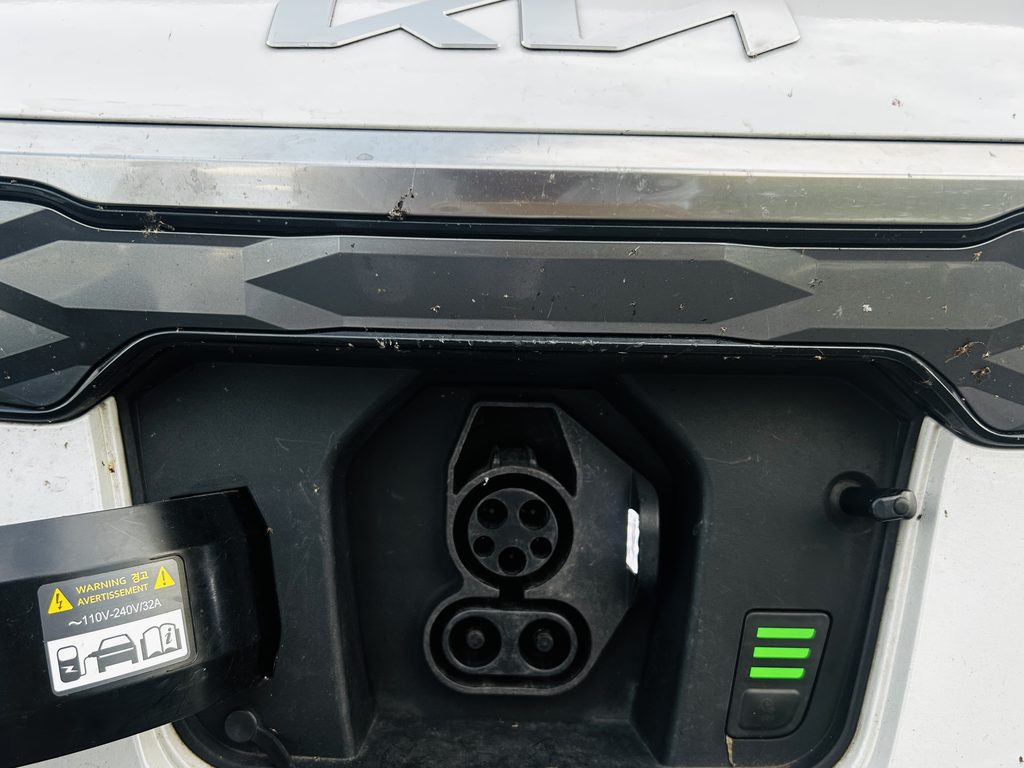
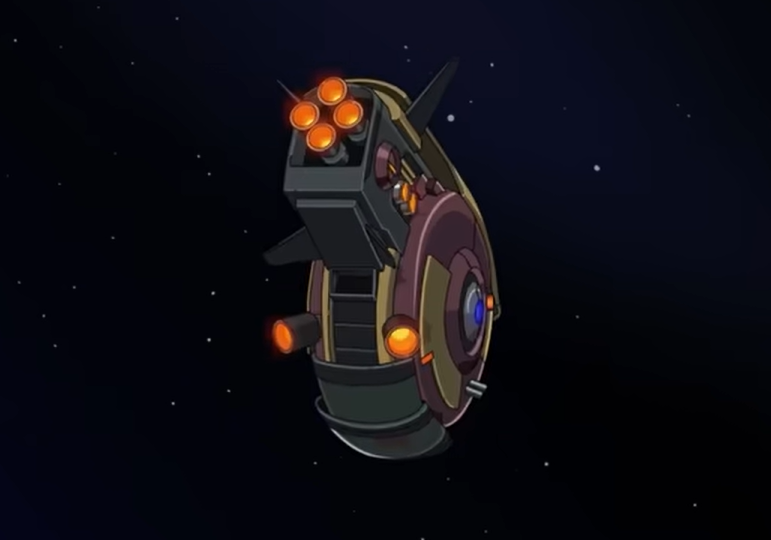
There’s an episode of Rick and Morty that includes a spaceship/ prison ship (Lundy et al., 2025, 13:50) for all of Morty’s clones. When I saw the charging socket for the car, I thought its design must have been inspired by the back of that ship. I was probably wrong. It’s more likely a much less interesting story involving looking at standard fueling station ergonomics and already existing industrial connectors (Chen 2025), but one can wonder. How do we know what inspires design unless the designers share that information to us?
Charger port aside, there are many things that once felt futuristic when seen on television that we now know as mundane like virtual and augmented reality, smart homes, tablets, video calls, wearable tech and self driving cars. I’m not saying that Martin Cooper, the inventor of the cell phone, watched Star Trek and then changed the world of communication. But design fiction creates room for us to imagine what something could look and feel like well before it becomes a consumer product. A fictional object only feels strange when we haven’t yet developed a cultural familiarity for it. Seeing it, even in concept, in movies and television shows makes it easier for us to imagine how we can integrate something like it into our lives. Design Fiction can function as a conceptual prototype for the reality we experience tomorrow. We can and have understood so much of what we know emotionally and conceptually before it becomes a physical thing.

Waiting around for the car to refuel felt old fashioned while looking at the infrastructure felt like experiencing something from the movies. The irony of it all isn’t lost on me. And maybe the charging ports have nothing to do with Rick and Morty but realizing how quickly my brain turned to fiction to explain something real was interesting to me.

Design Fiction doesn’t have to directly inspire an invention to influence it. Instead, it can give us the visual language to understand what the future can look like. We saw computers talk to humans well before we ever spoke to Siri and Alexa. By the time these technologies entered our everyday lives, we were less impressed with their existence than we may have otherwise because in a way, we had already met them. They have already been imagined. Eventually, the thing that was once considered science fiction becomes ordinary. The conversation between art and technology continues as the future becomes infrastructure because life imitates art just as art imitates life.



References
Chen, B. (2025, October 15). The evolution of EV charging standards: From SAE J1772 to ISO 15118. The Kite Guide. https://www.kitecompliance.ai/vertical-compliance/ev-charging-standards
Lundy, A., Siciliano, J., & Kellner, M. (Writers), & Kaufman, B. (Director). (2025, June 8). The Rick, The Mort & The Ugly (Season 8, Episode 3) [TV series episode]. In D. Harmon, & S. Marder (Executive Producers), Rick and Morty. Justin Roiland’s Solo Vanity Card Productions; Harmonious Claptrap; Green Portal Productions; Williams Street.