
Have you ever seen an object that was designed in a way that shapes how a person feels, remembers, and relates to it? That’s what I experienced after buying my Ferm Living Still Teapot. It’s just a teapot, but somewhere between the first Sunday I used it and the Sundays that followed, it became a ritual. Now making tea to start the week feels less like preparing a beverage and more like giving myself permission to slow down. What if the thing we’re buying isn’t really about the product anymore but more so the feeling that it gives us?
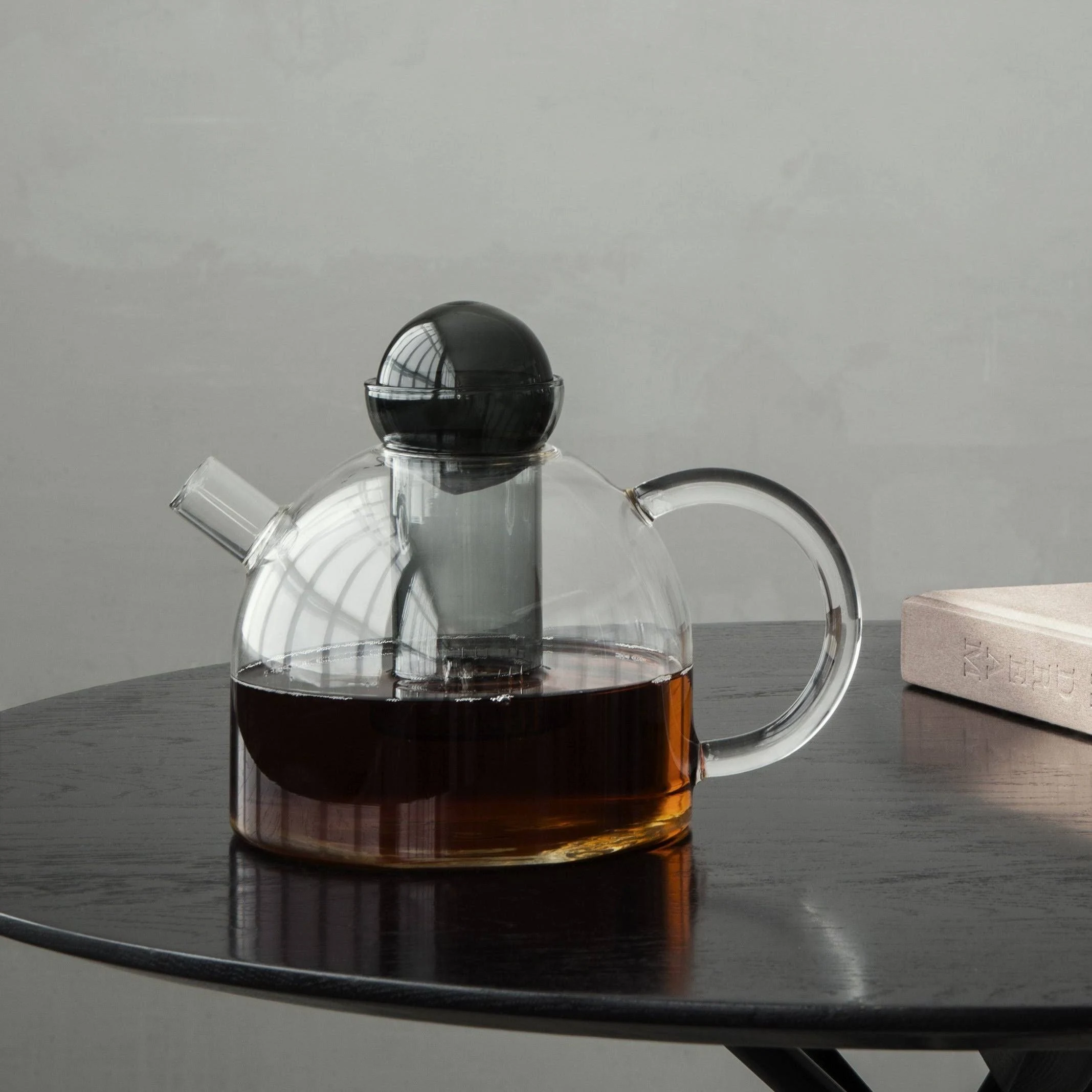
A teapot has a relatively simple job: hold hot water and tea leaves. But design gives the consumer an opportunity to experience that simple act differently. Early in the morning, before the rest of the house awakes, I fill the clear glass pot and pause to watch the loose leaves seep into the boiling water like a chemistry project. Being able to see the process of the tea making feels like an invitation to take my time. The rounded glass lid is in a contrasted color that gives the teapot a sense of balance and structure while retaining its simplicity. The tea doesn’t taste dramatically different from my teapot than any other one, but I do feel calmer, more grounded, and peaceful when I drink from it.
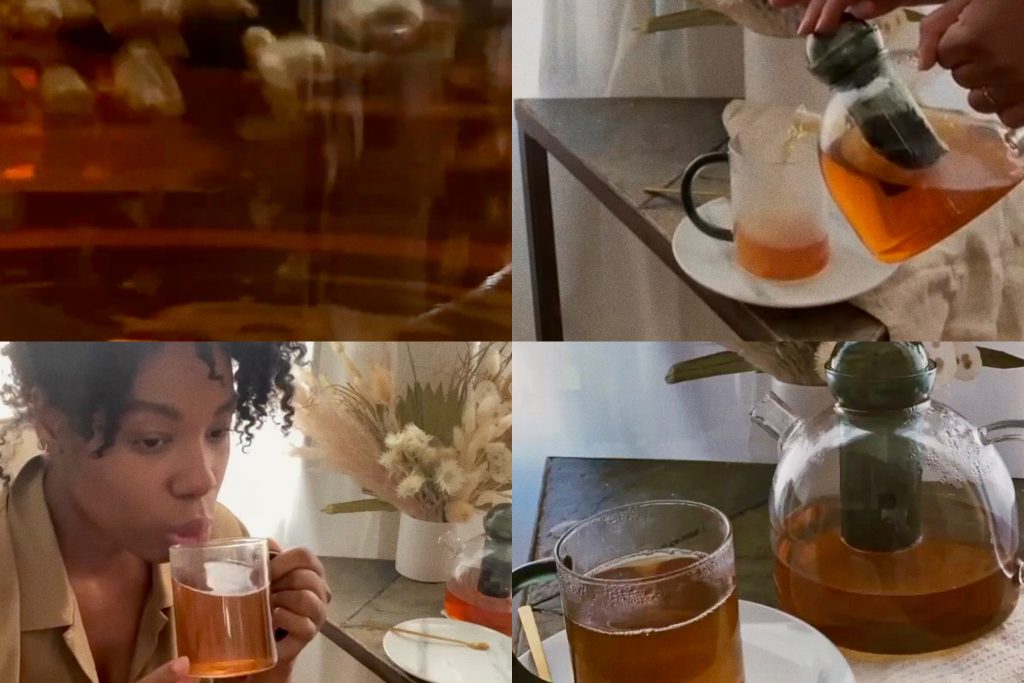
Sundays with my Ferm Living Teapot
That feeling has become my emotional expectation for tea time every Sunday, and I think that was the intention of the designer. I believe they wanted to bridge the gap between an ordinary domestic task and something that becomes a ritual and what I look forward to in starting a new week. This is where Donald Norman’s three layers of the user experience become apparent. The visceral level is my immediate awe in seeing the beautiful design, the behavioral level is the pleasure I get in preparing tea weekly, and the reflective level is what remains afterwards: the memories and meaning I have attached to these slower moments (Lupton, 2017). What began as an object became a participant in a ritual.

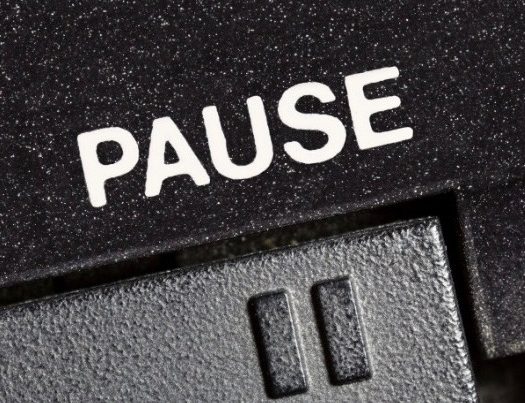
Image via public-media.interaction-design.org
That transformation is where design begins to add value. Designers have many features at their disposal to communicate with beyond its basic function, like typography, shape, texture, colors, materials used, spatial arrangement, and even how something is packaged and delivered to you. Creating something that resonates with a specific person adds emotional value to that product, which is why they are willing to pay more for the same function as something more economical. In my case, the design communicates slowness, simplicity, and intentionality. Sure, I could’ve spent $15 on any generic teapot, but I feel that my $90 was a customer’s delight (Stobierski, 2022). The physical function may be comparable, but the experience is not. They were able to get my business for considering how I would feel while using it.
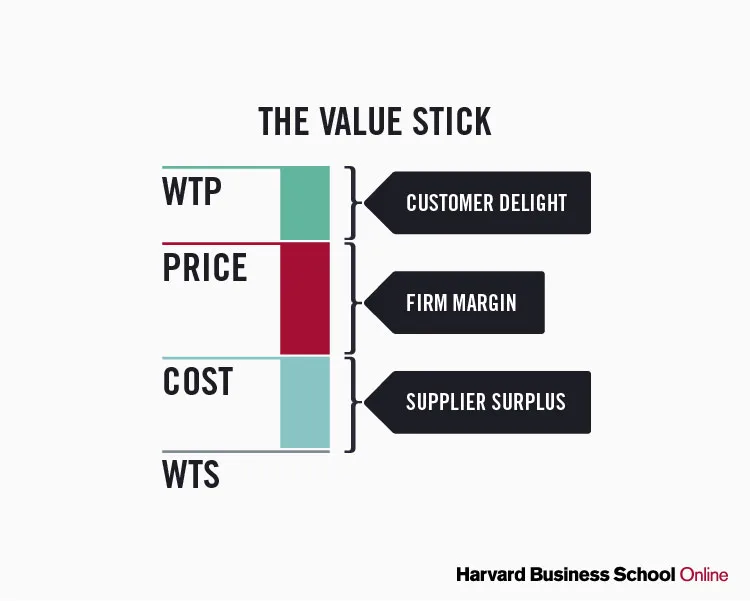
Image via Harvard Business School online
There’s also something to be said when it comes to what the things we bring into our spaces say about us. A beautifully designed product can feel aspirational or even transported to another place as they use it. That impact can be an incredible source of perceived value. The power of design within the experience economy happens when it transforms an ordinary act into an experience we anticipate, enjoy, remember, and eventually attach meaning to. For me, owning this teapot says that I’m someone that takes my Sunday rituals seriously. I’m someone who values the small moments and is intentional about making even domestic happenings special. It says that I am someone that makes room for slowness. In a sense, a product that is designed beautifully participates in the creation of how I see myself. That is emotional value.
So now Sunday tea isn’t just about drinking tea. It’s about the pause, the ritual, and the feeling that I have created a small moment worth remembering.
References
Lupton, E. (2017). Act 2 in Design is storytelling. Cooper Hewitt, Smithsonian Design Museum.
Stobierski, T. (2022, Nov 10) A Beginner’s Guide to Value-Based Strategy. https://online.hbs.edu/blog/post/value-based-strategy