
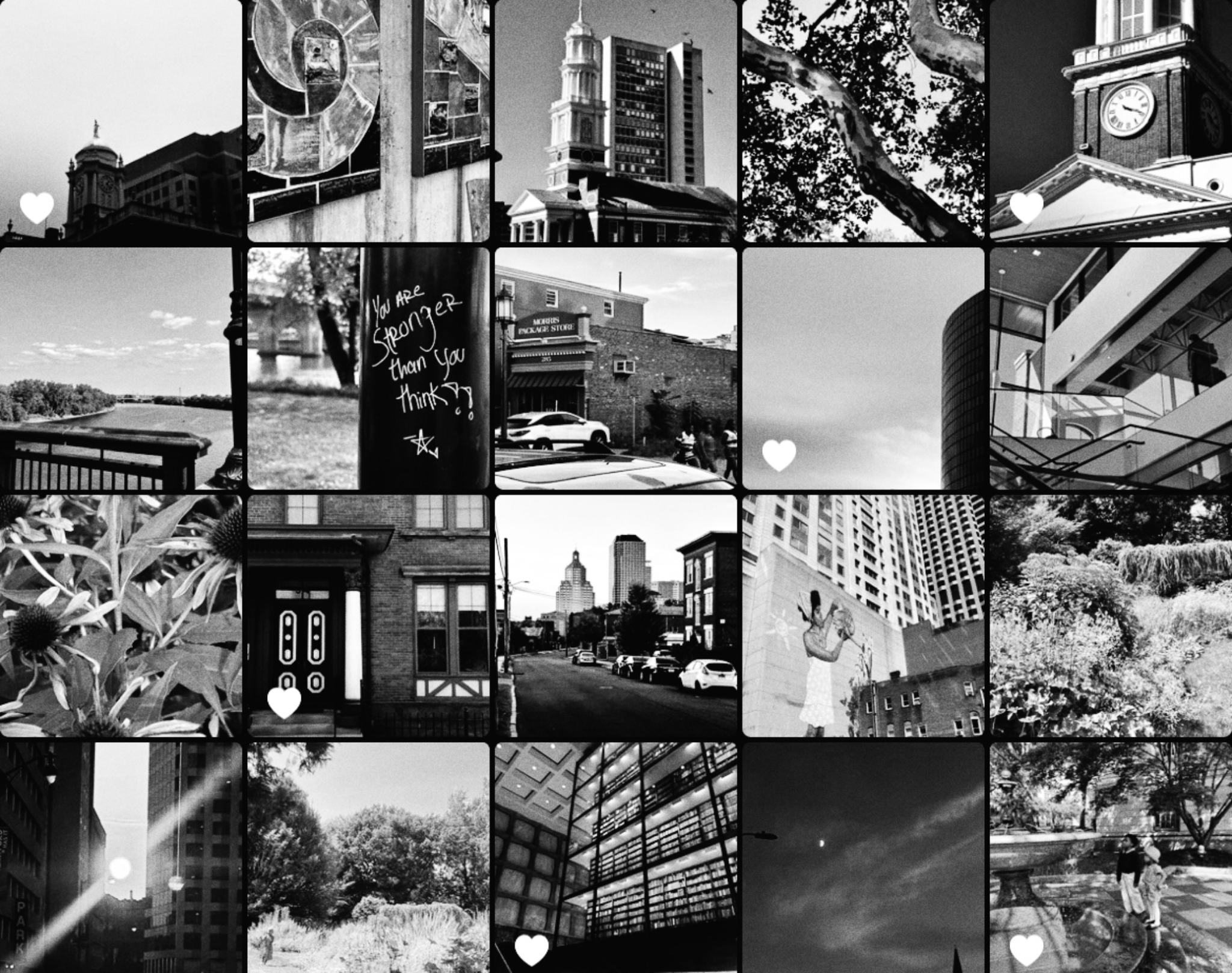
There’s a dichotomy between the natural world and what’s man-made, but practicing the art of noticing will reveal how much harmony occurs between organic and built shapes. Geometry is everywhere. The city and nature often speak the same visual language without much effort. In a world where staging and using software to manipulate photos have become common practice (The New York Times, 2015), it’s refreshing to take a bunch of POV photos and recognize the organic thread between them.
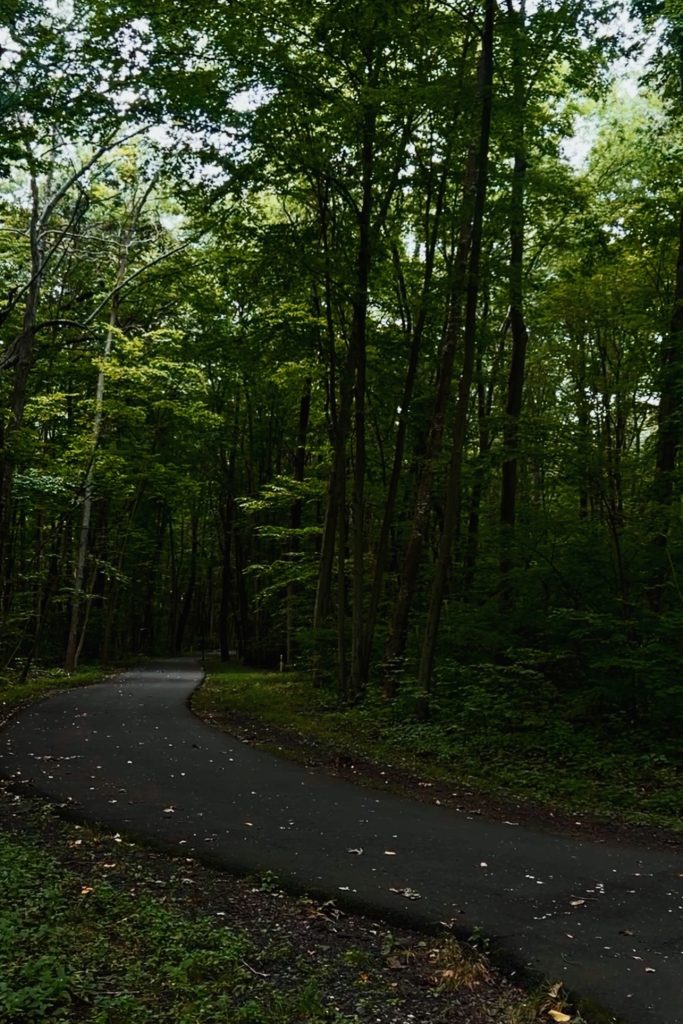

Curves that Create Rhythym. A softness that controls pace
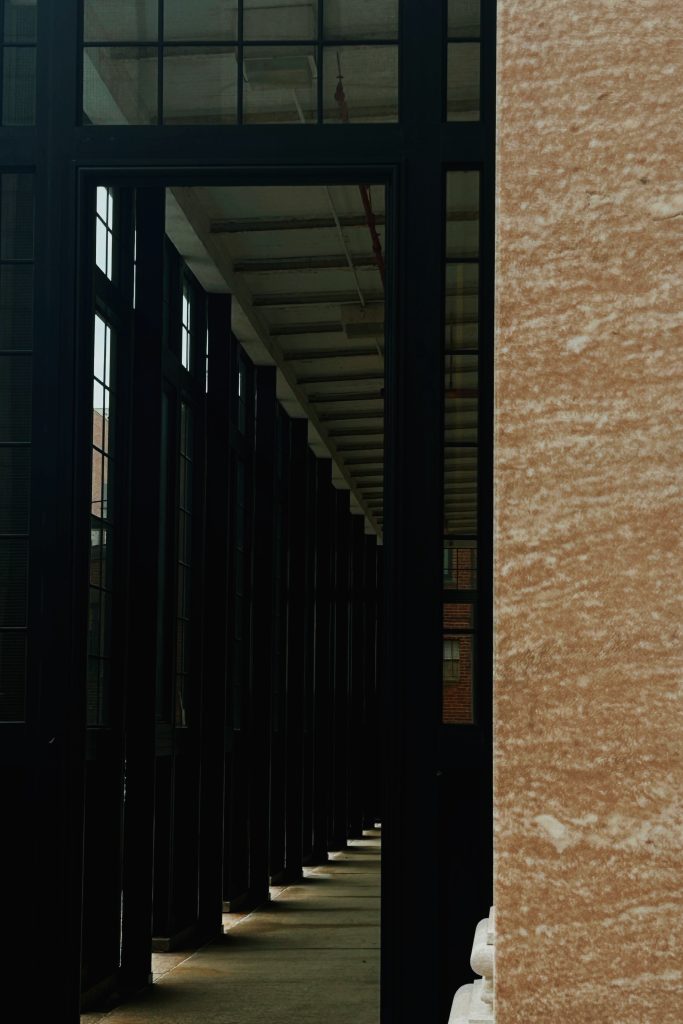
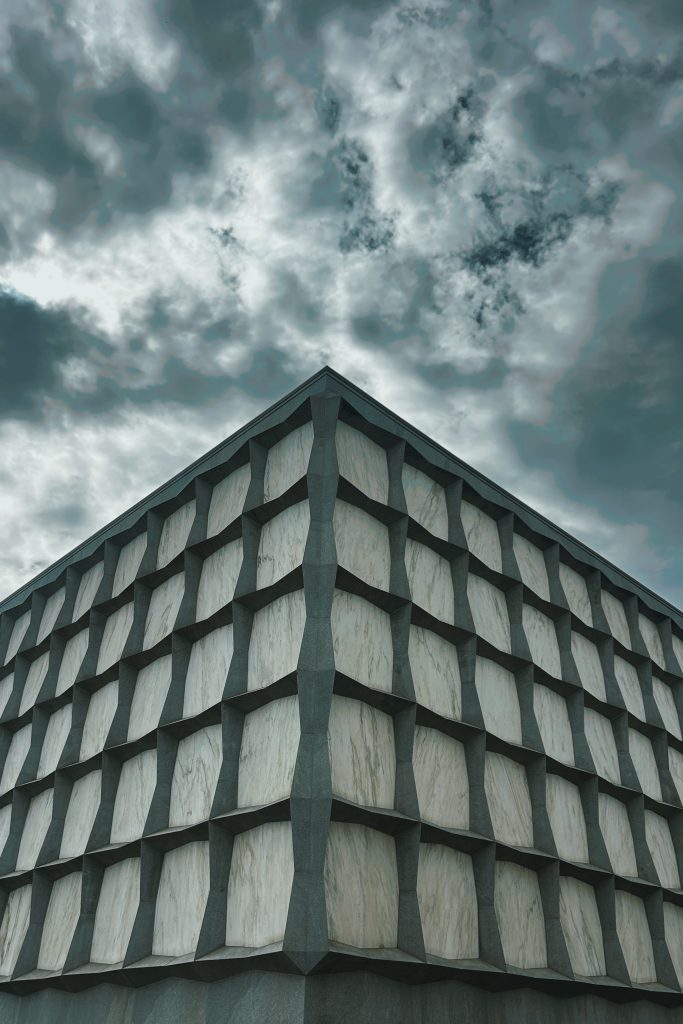
Grids of Repetition. When scale and structure speak

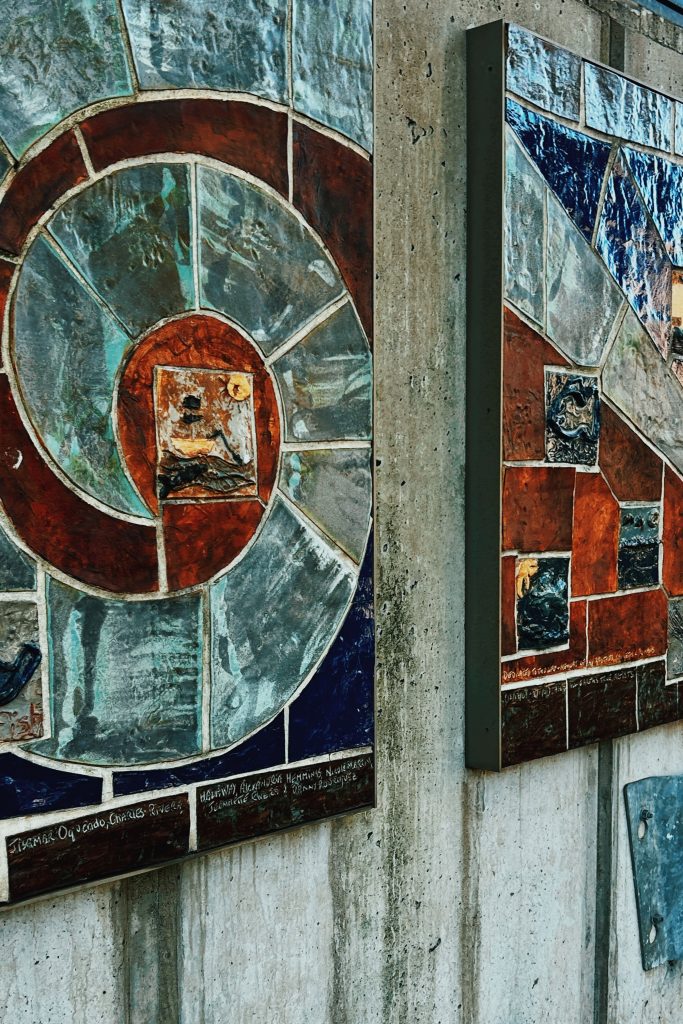
Radial Symmetry. A magnet for attention
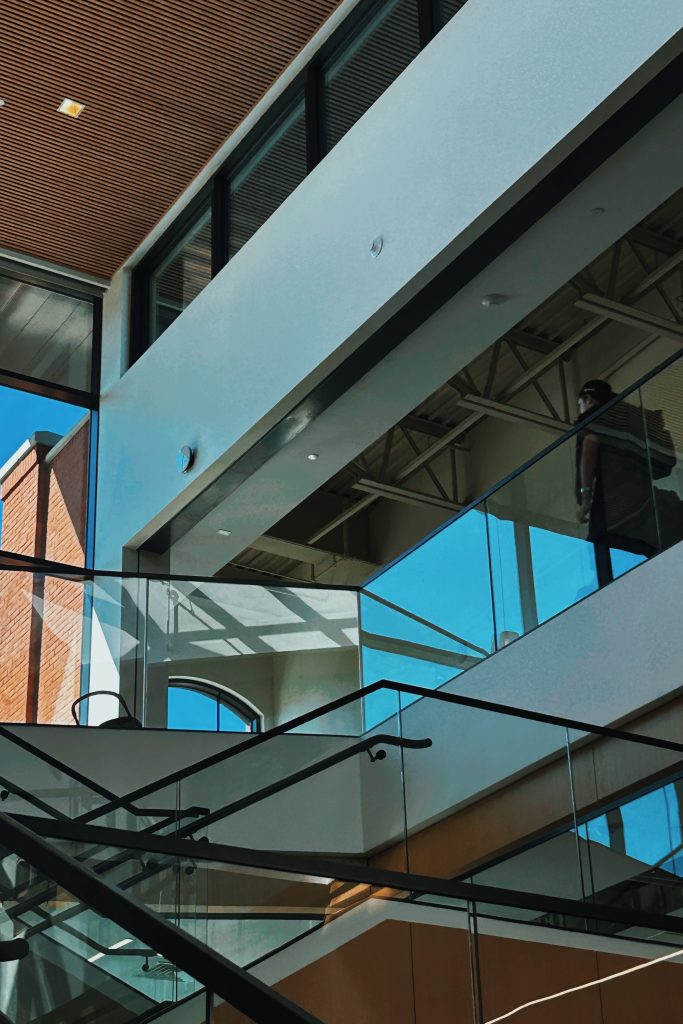
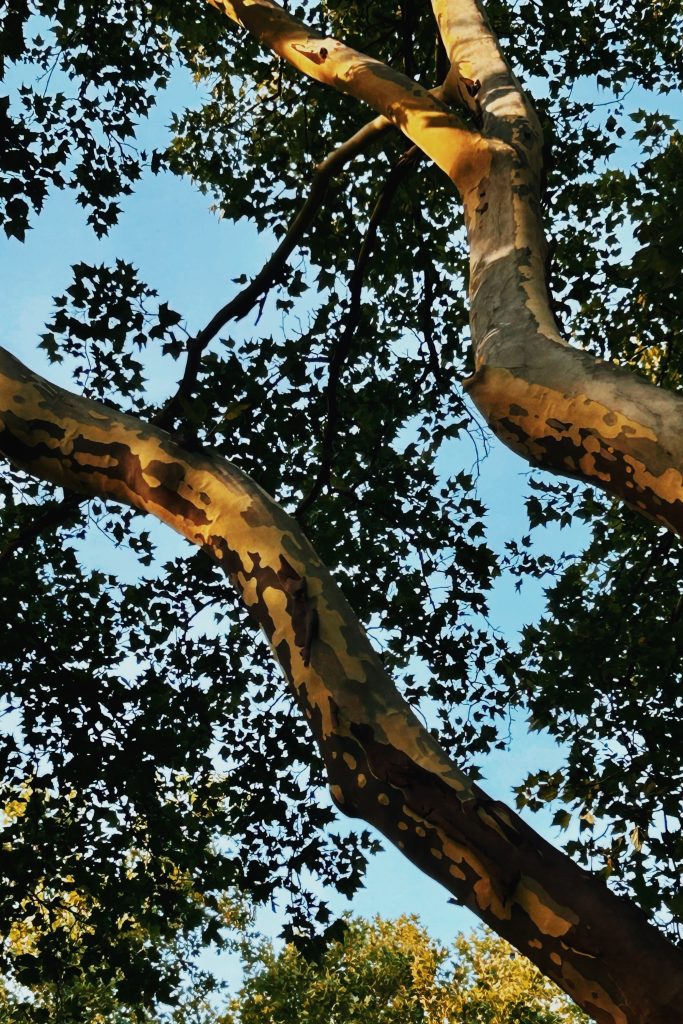
Lines that Guide. Strength and Stature
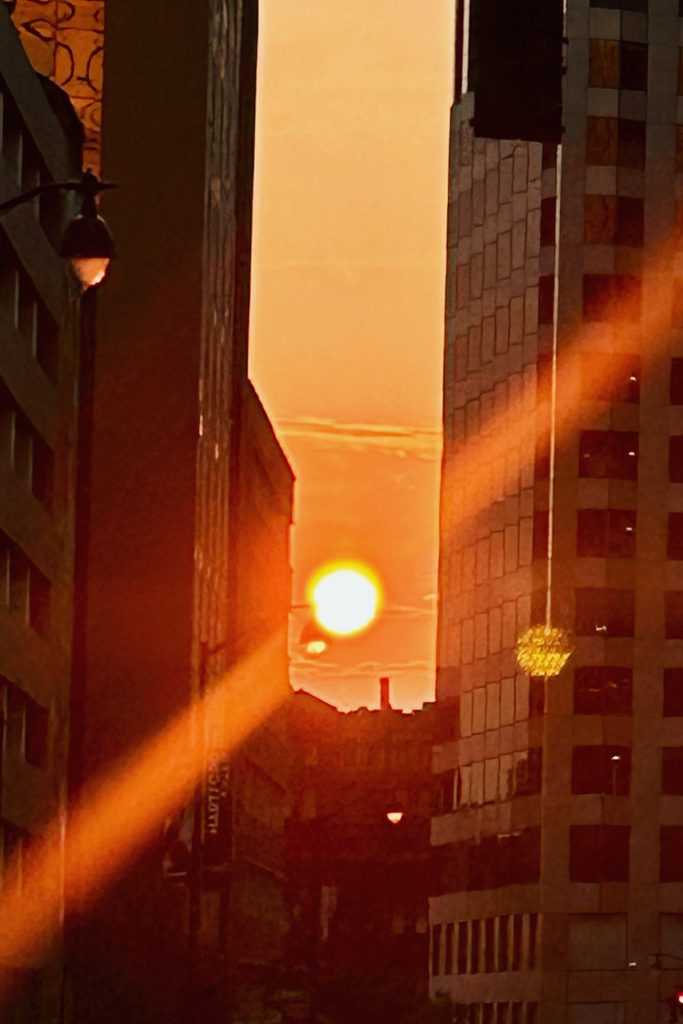
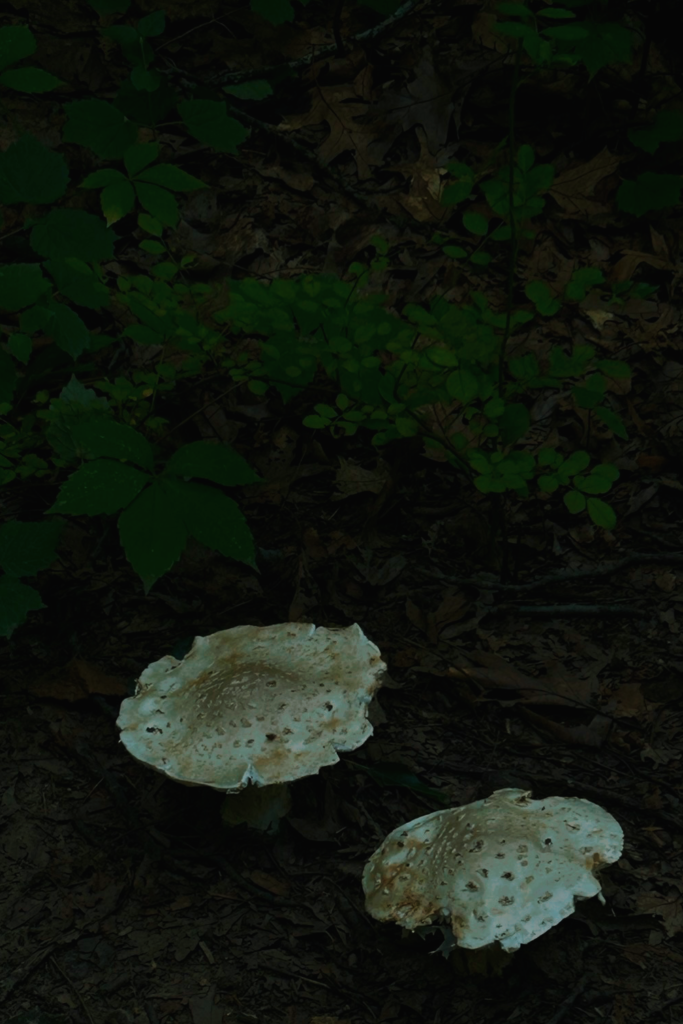
Circular Forms. Source of Wholeness
(All photos are my own.)
The process of collecting these photos started with play, without the intention of doing a study on shapes. In that sense, it mirrored a tip from Reuters photographer Damir Sagolj, who advises shooting broadly before finding your actual subject (Thomson Reuters Foundation, 2012). I found this was true in practice. Shooting without a fixed plan is what let me notice the recurring shapes across the photos, and from there the idea for this post was born. The extent of my edits was adjusting the exposure and contrast to strengthen the images as a collection through tonal consistency. Looking back at the collection, what stood out most was the tension I noticed in the more angular forms, how the curves felt soft and the repetitive forms felt long. Pattern and geometry became the focus even without a conscious plan because subliminally, I noticed the shapes before I noticed the subject.
References
The New York Times. (2015, October 16). Staging, manipulation and truth in photography. https://archive.nytimes.com/lens.blogs.nytimes.com/2015/10/16/staging-manipulation-ethics-photos/
Thomson Reuters Foundation. (2012). 7 photojournalism tips by Reuters photographer Damir Sagolj [Video]. Vimeo. https://vimeo.com/48815231