
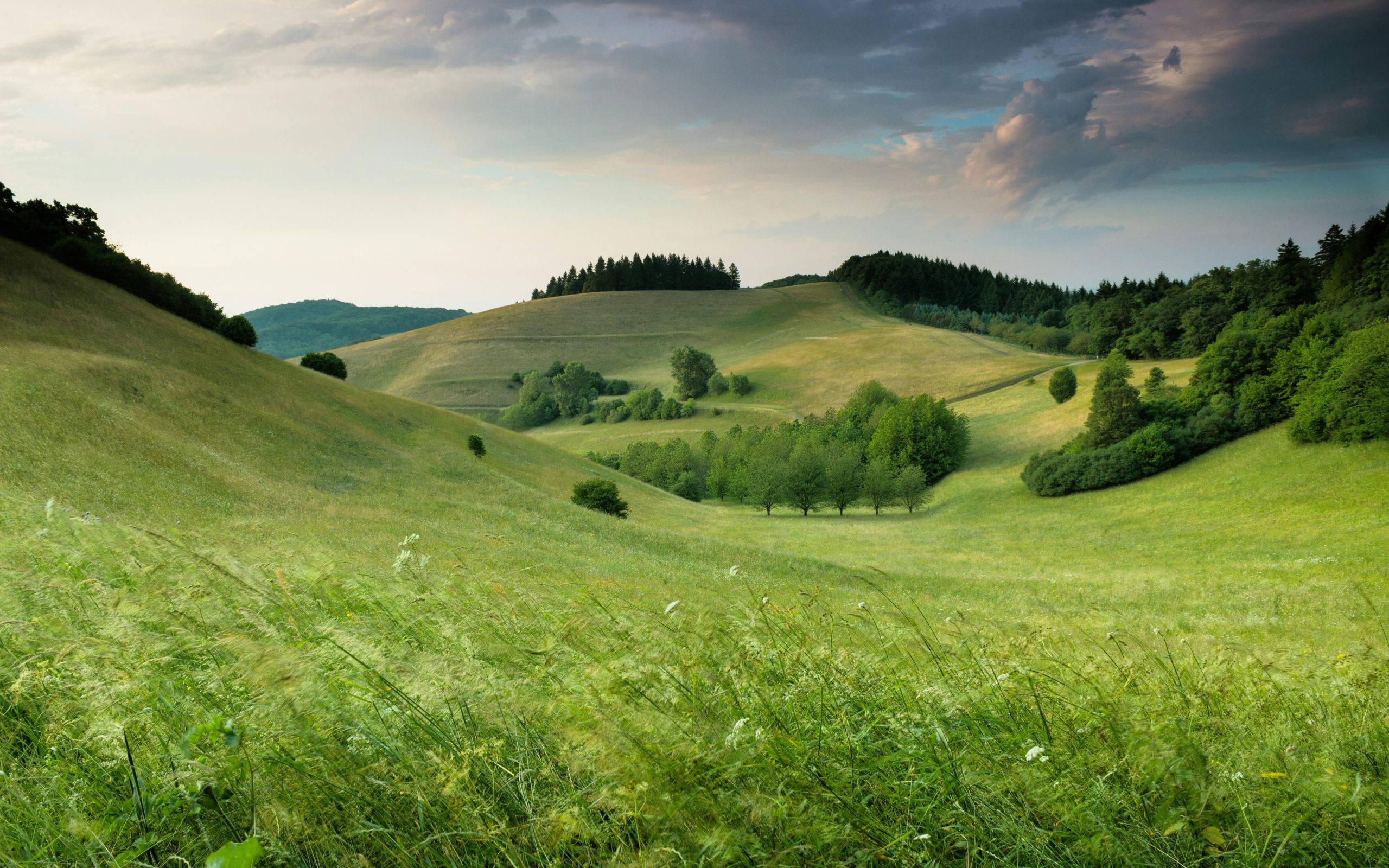
I used to make a daily drive from Moreno Valley to Redlands, California, and back for years. It was only a 30-minute drive, mostly through Reche Canyon. The canyon was a winding path surrounded by mountain views and rural scenery. At first, it was a breath of fresh air. I appreciated the occasional horse sighting or cow crossing. It felt like a novel pause from existing in the city and suburbs for most of the day.
Until one day, I remember sitting in my driveway wondering, “What happened to my breath of fresh air?” I couldn’t remember the animals, the mountains, or whether I had stopped for a train crossing. I couldn’t even remember stopping at the traffic lights. I didn’t realize it then, but the drive through the canyon had become so routine that I no longer experienced it with the same attention. My mind had learned the route so well that I could make the drive without consciously registering much of what was happening around me. That was when the drive stopped feeling like a 30-minute journey and became a kind of blip in time.
Psychologist Claudia Hammond describes this phenomenon through what she coins the holiday paradox. It is the contradictory feeling that a vacation seems to speed up while we are living it but slows down when we look back on it later. One explanation is our brains, being as efficient as they are, will compress routine days because they don’t offer any unique data (Draaisma, 2004; Wells & Morrison, 2014). Alternatively, a trip packed with new and exciting stimuli creates a denser collection of memories for us to recall. Unfamiliar sights, foods, sounds, places, and experiences give our brains more to register, making the trip feel longer in retrospect.
The beautiful thing is that we don’t actually have to go on vacation to experience the effects of the holiday paradox. By breaking our routines and being intentional about how we experience our days, we keep our brains active. Taking a new route, learning a new skill, and trying new hobbies or new exercises are just some of the things that can make us experience time more slowly and intentionally. Doing something just because you haven’t done it before creates the novelty that makes you feel like you’ve altered time and made it all matter.
I’d break my way through the monotonous Reche Canyon drive around Spring. After an autumn and winter of more of the same, I noticed a lemonade stand on the side of the road and cars pulling over in support. I was no longer driving on autopilot. I rolled down the windows and felt the warmth of the sun kiss the hairs on my forearm. The horses looked stronger and shinier in their green pastures. I’d pause for a train crossing and actually notice it. Time was slowing down again. The 30-minute drive became 30 minutes again, and all that changed was the introduction of something new.
I want to experience as much of my life while I am living it. So much of our lives disappear when we stop paying attention to the little details. Routines are fantastic and have their place, but I think they would be even better if we created space for spontaneity because presence (noticing and making memories) is the antidote to feeling like we’re constantly losing time. What will you do for more time?
References
Draaisma, D. (2004). Why life speeds up as you age: How memory shapes our past. Cambridge University Press.
Popova, M. (2013, July 15). Why Time Slows Down When We’re Afraid, Speeds Up as We Age, and Gets Warped on Vacation. The Marginalian. https://www.themarginalian.org/2013/07/15/time-warped-claudia-hammond/
Wells, C., & Morrison, C. M. (2014). Adult recollections of childhood memories: What details can be recalled? The Quarterly Journal of Experimental Psychology, 67(7), 1249–1261.